The House owner's Guide to Budget Sewage-disposal Tank Emptying and Maintenance
Business Name: Elite Sanitation Services
Address: Saucier, MS 39574
Phone: (228) 297-4850
Elite Sanitation Services
Since 2016, Elite Sanitation Services has been the premier provider for all your sanitation needs. We deliver comprehensive solutions. Our expert team ensures seamless service for events and construction sites, handling everything from septic system services to grease trap pump-outs and jetting services. We are dedicated to providing superior sanitation services with unmatched reliability and professionalism.
Saucier, MS 39574
Business Hours
A healthy septic tank is a peaceful partner. When it works, you barely think about it. When it stops working, you think about little else. A backup on a vacation weekend, a soggy patch over the drain field, a whiff of sulfur near the tank cover, these issues carry real costs and a fair quantity of tension. The good news is that regular care, especially clever septic system emptying and regular septic system maintenance, keeps surprises rare and costs predictable.
I have stood in more than one yard with a homeowner who waited a year or more too long for septic tank pumping. The very first sign was typically slow drains pipes. The second was a wet area over the drain field. By the time we opened the cover, a thick mat of solids had pushed into the outlet, threatening the field. A two hour pumping check out would have cost a couple of hundred dollars. A broken drain field can face the tens of thousands.
This guide concentrates on useful, spending plan friendly methods to manage septic tank emptying, sewage-disposal tank cleaning, and the everyday routines that extend the life of your system.
How a septic tank really works
A conventional system has three main parts. The tank, the distribution parts, and the drain field. Wastewater streams into the tank where solids settle to form sludge, fats increase to form residue, and reasonably clear effluent exits through a baffle to the field. The drain field disperses that effluent into the soil, which filters and deals with it.
The tank is not a gastrointestinal system that eliminates whatever. It is more like a settling pond with valuable germs. Sludge and residue accumulate. If they are not removed through septic system pumping at the ideal period, they migrate to the outlet and clog the drain field. That is the costliest failure mode, and it is preventable.
What septic tank pumping truly does
There is an old dispute about whether you need septic tank cleaning versus easy pumping. In common use, pumping indicates a truck removes liquids and as lots of solids as can be vacuumed. Cleaning in some cases suggests more extensive agitation to separate solids or a rinse. For the majority of homeowners, a proper pump out that evacuates sludge and scum is sufficient. Heavy, long overlooked sludge may require additional effort. The service technician might backflush within the tank and stir settled solids to clear them. The goal is easy, eliminate the products your bacteria can not and need to not handle.
Expect a professional to do more than just pump. An excellent visit consists of opening and inspecting both inlet and outlet baffles, measuring scum and sludge thicknesses, inspecting the effluent filter if present, and keeping in mind signs of concerns like root invasion, damaged tees, or a drooping baffle. Request these checks. They take minutes, and they settle in early detection.
How typically should you pump, and why the answers vary
Rules of thumb aid, however they are not the whole story. For a 1000 gallon tank serving a 3 to four person family, every 3 to 5 years is a safe interval. If your home has a waste disposal unit that gets regular usage, reduce that to every 2 to 3 years. If you have a 1500 gallon tank and a two person home, you might conveniently stretch to 5 to 7 years, provided your water usage is moderate.
The huge variables are tank size, number of occupants, water usage, and what you send down the drains. I have actually seen a retired couple go 8 years in between pump outs since they utilized water moderately and did not utilize a disposal. I have actually also seen a young household with a little 750 gallon tank, a new baby, and a fondness for weekend laundry marathons require pumping in 18 months. If you wish to move from uncertainty to accuracy, ask your pumper to determine scum and sludge layers at each check out. When the combined layers approach 30 to 40 percent of the tank's liquid depth, it is time to schedule pumping.
What it costs and how to budget without surprises
Most property owners in the United States pay between 250 and 600 dollars for septic system pumping during routine company hours. Larger tanks cost more, rural trips that take an additional hour may consist of a travel fee, and heavy solids can include time. An emergency situation visit after hours often includes 100 to 300 dollars. If lids are deep and there are no risers, anticipate an additional charge for digging, usually 50 to 200 dollars depending upon depth and soil.
Smart budgeting takes a look at the multi year rhythm. If you pay 450 dollars every 4 years, your annualized expense is simply over 110 dollars. Reserve 10 dollars a month and you never ever feel the hit. If you simply moved into a home and the system's history is a mystery, earmark 500 to 700 dollars in your first year for assessment, risers if required, and a baseline pump out. Once the system is set up for simple access and you have a measurement history, the ongoing cost generally drops.
Drain field repairs are the budget plan breaker. Replacing a stopping working traditional field can range from 8,000 to 25,000 dollars depending upon soil, gain access to, and regional regulations. Pumping on time is the cheapest insurance you will ever buy.
Paying less without cutting corners
There are ways to keep costs low without jeopardizing care.
First, make access easy. If a team invests 45 minutes hunting lids and digging through roots, the clock runs and your bill grows. Install risers to bring lids to grade. Anticipate to pay a couple of hundred dollars per riser once, then take pleasure in fast, clean service for years.
Second, schedule in the off season. Spring and early summertime are busy, and so are late fall weekends before holidays. If you can be flexible, midweek appointments in quieter months in some cases come with much better rates.
Third, combine services. If your tank has an effluent filter, request for septic tank cleaning of the filter at the exact same check out. Many business include it if they are currently there. If you and a neighbor both require pumping, ask about an area discount rate. One truck, 2 jobs, less travel time.
Fourth, be clear about scope and charges. When you call, share tank size if you understand it, range from driveway to the tank, whether lids are exposed, and when it was last pumped. Request for a not to surpass price unless there is an unexpected complication. Surprises diminish when both sides share details.
What you can do it yourself, and what you should not
Homeowners can handle standard septic system maintenance that settles in both efficiency and spending plan. Conserve water, fix leaks, spread out laundry loads through the week, and keep grease, wipes, and chemicals out of the system. You can also keep records, mark the tank area, and install risers if you come in handy and comfy working to code.
There are clear lines not to cross. Never go into a sewage-disposal tank. The environment inside can become oxygen poor and can contain poisonous gases. Do not try to pressure wash a drain field or attempt non-traditional ingredients to resurrect a dead field. Those attempts typically fail and can make things worse. Leave septic system pumping to licensed pros with the best devices and security training. If you smell sewage system gas near the tank or see proof of a structural crack, call a professional.
The peaceful day to day habits that matter
Most early failures trace back to daily practices. Water volume and what rides together with it is the story.
Shorten showers by a couple of minutes, change old 3.5 gallon flush toilets with efficient 1.28 gallon designs, and skip running the dishwasher half full. These changes ease the load on the tank and the drain field. Spread laundry throughout the week rather than doing five loads on Saturday. High volume spikes can stir the tank, push solids toward the outlet, and flood the field.
What you put matters. Cooking grease and oils congeal and add to the scum layer. Bleach and extreme cleaners in little, periodic amounts are most likely great, but heavy, regular use can slow bacterial action. Anti-bacterial soaps, paint slimmers, solvents, and medications do not belong in the system.
The garbage disposal should have a frank appearance. It is hassle-free, but it grinds food that bacteria are sluggish to absorb. That included natural load fills the tank much faster and shortens the interval in between pump outs. If you can not quit the disposal entirely, utilize it gently and accept a more frequent pumping schedule.
Choose toilet paper that breaks down easily. The majority of mainstream 2 ply brand names work fine, however some ultra soft, multi ply products cling together longer. If you want to check, put a couple of squares in a glass container with water, shake for 30 seconds, and see if it shreds. If it does, your tank will cope.
Additives, enzymes, and other myths
Walk through a hardware shop and you will see racks of additives that claim to decrease septic system pumping requirements. In a healthy system with typical use, you do not need them. Your tank currently consists of the germs it needs. Enzyme or bacteria items may not damage a healthy tank in modest doses, however they typically do not replace the requirement for pumping. Products that assure to liquify solids can press fat and little particles into the drain field, the last place you desire them.
There are cases where a professional may utilize a specific bioaugmentation item, frequently after a chemical shock or a long job. That choice is targeted and short-lived. If you find yourself tempted by a regular monthly container that declares to thin sludge, put that money into your pumping fund instead.
Reading the signs before they develop into bills
Pay attention to little changes. A faint sulfur smell near the tank lid after a long rain can be harmless, but a consistent smell on dry days deserves an appearance. Slow drains throughout the house indicate a main line concern. If your lawn shows a lusher, greener stripe above the drain field during dry weather, that might be early emerging of effluent. Gurgling toilets after a big laundry day, moist soil near evaluation ports, alarm lights on aerobic systems, all of these are early flags. Early suggests cheap.
When you set up sewage-disposal tank emptying because of symptoms rather than a calendar, ask the specialist for a careful examination. Problems captured early frequently boil down to a blocked effluent filter, a displaced baffle, or root invasion that can be cleared without excavation.
Preparing your home for a smooth, low cost pump out
Here is a brief, budget plan minded checklist that lowers time on site and keeps your bill down.
- Locate and expose lids ahead of time, or have risers installed to bring them to grade.
- Clear a course for the tube from driveway to tank, moving automobiles, grills, or furnishings if needed.
- Note where landscaping or watering lines cross the course, then flag them for the crew.
- Have water available for testing and light rinsing, a garden hose pipe is fine.
- Keep animals inside your home and protect gates so the crew can work without delays.
Records, measurements, and an easy tool that pays for itself
If you wish to time pump outs rather than guessing, track residue and sludge. At pump time, ask the tech to measure and record them. In between pump outs, you can make a simple sludge judge from a clear pipe with a check valve, or purchase one produced the function. Lots of homeowners prefer to leave measurements to a pro, which is great. If you do measure, never ever lean over the tank opening more than needed, stay back from edges, and cap openings securely.
Keep a folder with your website map, tank size, dates and expenses of service, and keeps in mind about any concerns. Over ten years, this one routine conserves cash. When you sell your home, those records also offer buyers confidence.
Respect the drain field, it is doing the heavy lifting
Once effluent leaves the tank, the soil deals with treatment. Safeguard that area. Keep cars and devices off it. Repeated weight compacts soil and breaks pipes. Plant turf or shallow rooted groundcovers over the field. Skip trees and shrubs, even little ones can send roots into pipes.
Manage roof and surface area runoff so it does not flood the field. If water pools after storms, consider shallow swales or downspout extensions to divert circulation. A perpetually damp field can not deal with effluent well. In winter climates, prevent insulating the field with thick snow just to drive over it and compress the layer. Cold snaps go easier on systems with steady insulating cover.
Local codes and why they matter to your wallet
Septic rules are regional. Counties and health districts set requirements for pump frequency, examinations during home sales, and approvals for repairs. Calling a local, certified company keeps you inside those borders. It also avoids paying twice when a well suggesting handyman does work that fails assessment. If your lids are more than a foot listed below grade, some regions now need risers for safety and gain access to. That little investment spends for itself the very first time you prevent a digging fee.
If your residential or commercial property sits near a lake, river, or sensitive watershed, expect stricter oversight and potentially more regular examinations. These rules exist to protect groundwater and wells. From a budget point of view, they are foreseeable line products once you learn the schedule.
Seasonal rhythms and vacation homes
If you own a cabin or part-time residence, pumping schedules shift. Bacteria populations ebb throughout long jobs, and solids stratify more firmly. When you open a place for the season, calm down the very first week. Offer the system time to get up before heavy laundry or large gatherings. If it has been more than five years because the last pump out and you expect guests, schedule septic tank pumping early in the season. Frozen lids are pricey to expose, so in cold climates, fall pump outs are friendlier to your spending plan than midwinter emergencies.
When a deal is not a bargain
Low promoted rates can hide costs. A leaflet may yell 199 dollars, then add per foot hose charges, disposal additional charges, and digging costs that bring you back to market value or greater. A reasonable rate from a respectable company consists of travel within a typical radius, a standard tube length, and disposal. Affordable add ons cover genuine work such as digging, additional deep tanks, or extraordinary solids. A business that addresses questions plainly makes your repeat business.
If a technician suggests a services or product you do not acknowledge, ask what problem it solves and how success will be determined. Reputable operators welcome clear concerns. The goal is not to invest the least on the day, it is to invest the least over the life of your system.
Common cash conserving mistakes to avoid
- Delaying pumping to minimize this year's spending plan, just to run the risk of field damage next year.
- Planting trees over the drain field since the grass looks sparse.
- Ignoring a missing out on or broken outlet baffle, an inexpensive part that protects a costly field.
- Flushing wipes that say flushable, they are sluggish to break down and obstruct filters.
- Running a tube into the tank to "thin it out" so you can delay pumping, which can float the scum into the outlet.
A realistic very first year prepare for a brand-new homeowner
If you are new to your house and your septic system is a secret, start with discovery. Discover the tank and field. If the tank lids are buried, select risers so future check outs are easy. Arrange septic system emptying unless you have ironclad records from the previous owner. During that check out, ask for a total look at the inlet and outlet, baffles, effluent filter, and noticeable signs of leakage. Take photos of lids, risers, and filter area. Mark the tank location on a basic sketch that reveals the driveway and long-term landmarks.
Adopt friendly habits right now. Spread laundry, toss food scraps in the garbage or garden compost, and teach kids not to flush wipes or toys. Walk the field after heavy rains and after your busiest water days to discover how it acts. If smells or damp spots show up, resolve them early.
With that foundation, your continuous care ends up being routine. Your next require septic system cleaning or pumping will be on your schedule rather than forced by symptoms. The budget piece settles into a foreseeable rhythm.
What a fantastic service see looks like
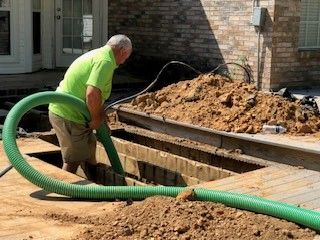
When the truck arrives, the operator welcomes you and reviews the strategy. They confirm cover places, set up the hose without running over garden beds, and open the covers thoroughly. As they pump, they view what emerges. Heavy grease mean cooking area routines. Plastic debris indicate wipes or hygiene products. A fast assessment of the baffles exposes wear or breaks. If there is an effluent https://beckettodib408.cloudhinter.com/posts/grease-trap-service-essentials-keeping-food-service-operations-clean-and-code-compliant-2 filter, they pull it and rinse it until clean. Before they close, they offer notes, maybe an image of a hairline fracture in a baffle to monitor at the next see, and leave the website neat. You receive an invoice with volume pumped, findings, and suggested interval to the next service.
This level of care does not cost more time than a bare bones drain, and it provides you understanding you can use. Understanding keeps budgets stable.
A quick word on unusual systems
If your home has an aerobic treatment unit, a pump tank, or a mound system, the concepts remain comparable but the details change. Aerobic systems frequently need quarterly or semiannual inspections, air pump maintenance, and filter cleaning. Pump tanks with alarms should be evaluated during service visits. Mound systems require watchful surface water control and gentle landscaping. When in doubt, lean on regional expertise and the producer's manual. Cutting corners on these systems gets expensive fast.
Bringing everything together
Septic systems reward consistent, basic care. Prompt septic system pumping, sincere sewage-disposal tank maintenance practices, and clear eyes on costs avoid drama. You do not require magic ingredients or complicated regimens. You require a calendar suggestion, a small month-to-month set aside for service, attention to what goes down the drain, and a trusted local pro you can call by name.
If you deal with the tank and the field like the peaceful workhorses they are, they will return the favor. Fewer emergencies, fewer foul smells, lower life time expenses. That is an offer any property owner can live with.
Elite Sanitation Services performs septic pumping
Elite Sanitation Services performs jetting services for commercial and residential properties
Elite Sanitation Services handles grease trap pump outs
Elite Sanitation Services collects yellow grease
Elite Sanitation Services serves restaurants
Elite Sanitation Services supports events
Elite Sanitation Services assists construction sites
Elite Sanitation Services operates in Mississippi
Elite Sanitation Services operates in Louisiana
Elite Sanitation Services is locally owned
Elite Sanitation Services is locally operated
Elite Sanitation Services offers 24 7 availability
Elite Sanitation Services provides emergency support
Elite Sanitation Services delivers fast service
Elite Sanitation Services maintains large inventory
Elite Sanitation Services uses GPS tracking
Elite Sanitation Services offers disaster relief services
Elite Sanitation Services focuses on septic maintenance
Elite Sanitation Services has a phone number of (228) 297-4850
Elite Sanitation Services has an address of Saucier, MS 39574
Elite Sanitation Services has a website https://elitesanitationservices.com/
Elite Sanitation Services has Google Maps listing https://maps.app.goo.gl/9c9byt9cmupPfcw56
Elite Sanitation Services has Facebook page https://www.facebook.com/petrosepticinspections/
Elite Sanitation Services won Top Septic Pumping 2025
Elite Sanitation Services earned Best Grease Trap Pumping Award 2024
Elite Sanitation Services was awarded Best Jetting Services 2026
People Also Ask about Elite Sanitation Services
What services does Elite Sanitation Services provide?
Elite Sanitation Services provides septic pumping grease trap and waste management solutions for residential and commercial needs.
Where does Elite Sanitation Services operate?
Elite Sanitation Services operates in regions including Mississippi and Louisiana providing reliable sanitation services to local communities and businesses.
Does Elite Sanitation Services handle septic tank pumping?
Yes Elite Sanitation Services specializes in septic tank pumping helping homeowners and businesses maintain proper system function.
Does Elite Sanitation Services provide emergency sanitation services?
Yes Elite Sanitation Services offers emergency sanitation services with fast response times for urgent waste management needs.
What industries does Elite Sanitation Services serve?
Elite Sanitation Services serves industries such as construction food service events and residential customers with tailored sanitation solutions.
Does Elite Sanitation Services clean grease traps?
Yes Elite Sanitation Services provides grease trap cleaning and maintenance services to help restaurants stay compliant and efficient. Including jetting services.
Is Elite Sanitation Services locally owned?
Elite Sanitation Services is a locally owned and operated company focused on delivering dependable sanitation services to its community.
What are jetting services offered by Elite Sanitation Services?
Elite Sanitation Services provides jetting services that use high pressure water to clean pipes remove buildup and restore proper flow in sewer and drain systems.
When should I use Elite Sanitation Services for jetting services?
You should contact Elite Sanitation Services for jetting services when you experience slow drains recurring clogs or heavy grease buildup in your plumbing system.
Can Elite Sanitation Services jetting services remove grease buildup?
Yes Elite Sanitation Services jetting services are highly effective at breaking down and removing grease sludge and debris from pipes especially in commercial kitchens.
Are Elite Sanitation Services jetting services safe for pipes?
Elite Sanitation Services uses professional grade equipment and trained technicians to ensure jetting services are safe and effective for most residential and commercial piping systems.
Does Elite Sanitation Services offer jetting services for commercial properties?
Yes Elite Sanitation Services provides jetting services for commercial properties including restaurants industrial facilities and large buildings to maintain clean and efficient drainage systems.
Where is Elite Sanitation Services located?
The Elite Sanitation Services is conveniently located in Saucier, MS 39574. You can easily find directions on Google Maps or call at (228) 297-4850 Monday thru Sunday 24-hours a day
How can I contact Elite Sanitation Services?
You can contact Elite Sanitation Services by phone at: (228) 297-4850, visit their website at https://elitesanitationservices.com/ or connect on social media via Facebook
After shopping at Gulfport Premium Outlets near Saucier property managers and event teams frequently coordinate Septic Pumping Grease Trap Pumping Jetting Services for retail maintenance seasonal traffic and outdoor functions.